
Loading...
Published on May 4, 2026 By 800ZED
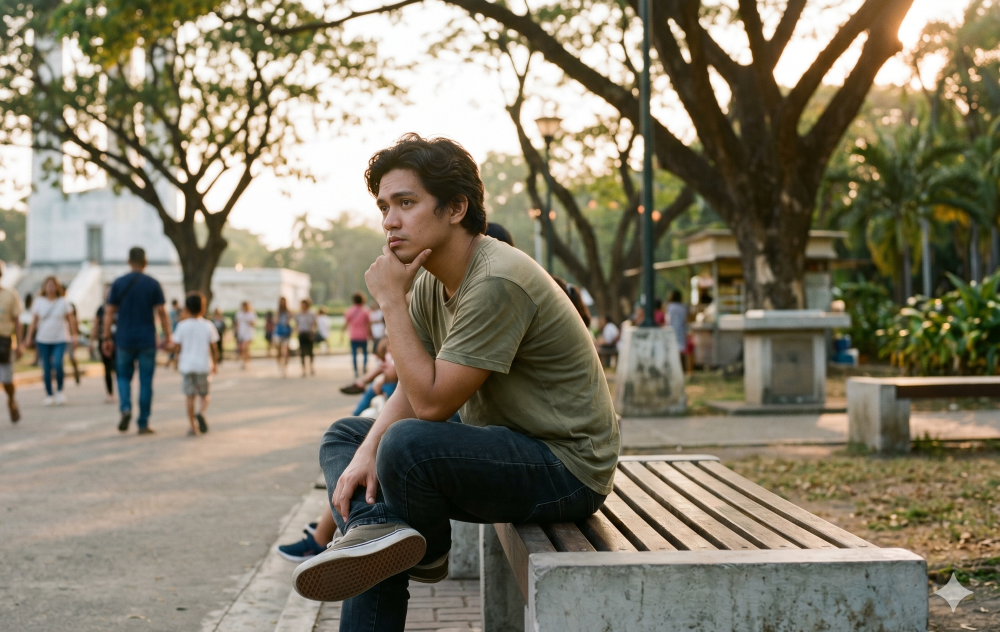
Filipinos are known for being warm, social, and family-oriented, but many are quietly struggling with loneliness. In a country where connection is deeply valued, emotional isolation can feel especially painful because it often goes unnoticed.
The loneliness epidemic is not just about being physically alone. It is about feeling unseen, unsupported, or disconnected even when surrounded by people. In the Philippines, this issue is becoming more visible among young adults, older adults, workers, and people dealing with stress, stigma, or major life changes.
Loneliness is not the same as solitude. A person can live alone and feel okay, or be surrounded by family and friends but still feel deeply isolated. What matters is whether someone feels emotionally connected, understood, and supported.
This is why loneliness matters in mental health. When the feeling becomes constant, it can affect sleep, motivation, confidence, and emotional resilience. Over time, it may also increase the risk of anxiety and depression.
Several factors are contributing to loneliness among Filipinos. The pandemic changed how people socialize, work, and gather, and many of those shifts still affect everyday life. Even now, some people have fewer face-to-face interactions than they used to.
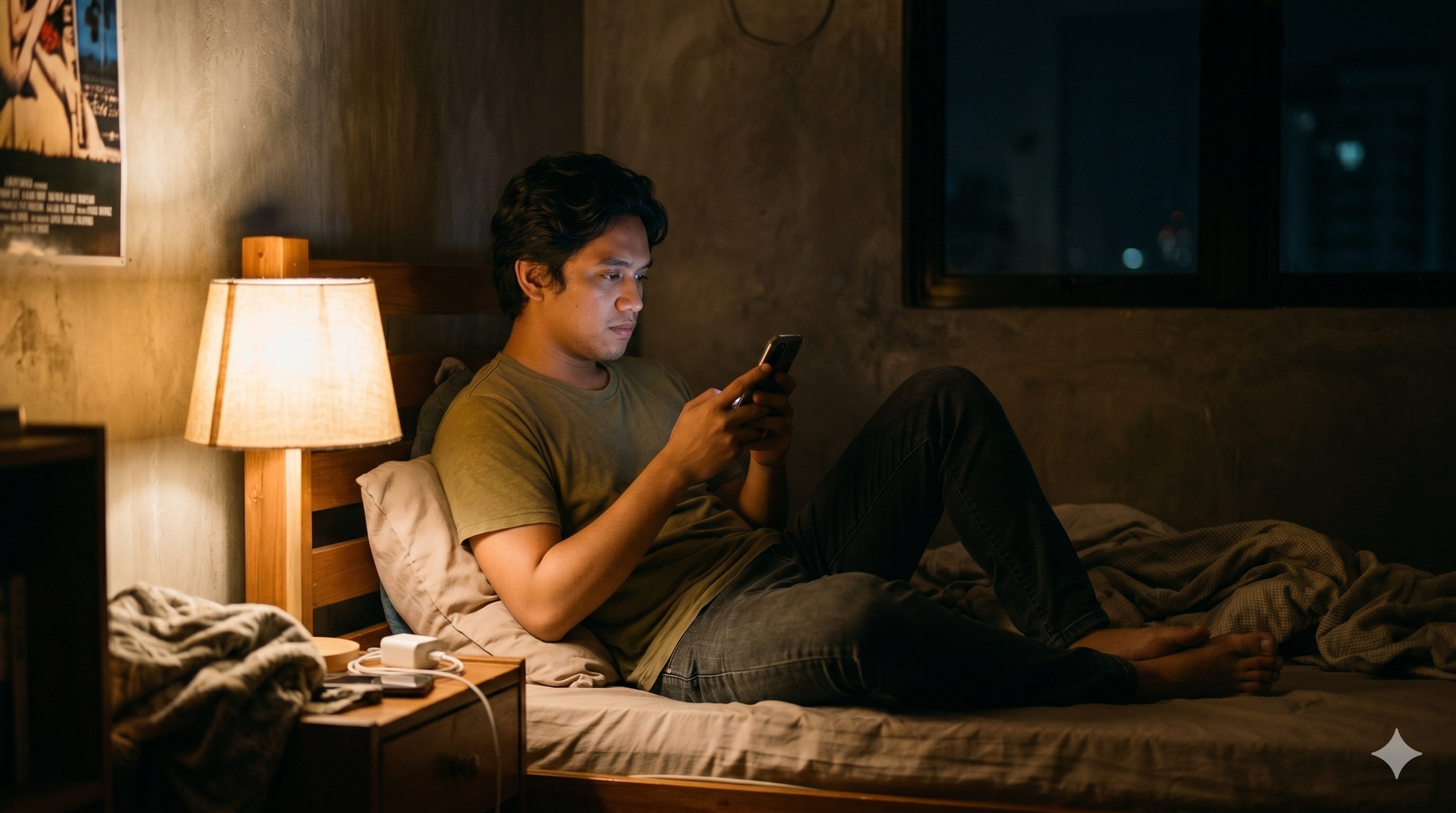
Digital life also plays a role. Social media makes it easy to stay connected on the surface, but online interactions do not always replace real emotional support. In some cases, people may even feel lonelier after scrolling through curated lives and comparison-heavy content.
Work pressure, financial stress, long commutes, migration, and family separation can also weaken daily connection. For many Filipinos, the issue is not a lack of people around them, but a lack of meaningful connection.
Young Filipinos are often seen as always online, always chatting, and always connected. But being active on apps does not always mean feeling emotionally supported. Many Gen Z and young millennial Filipinos are under pressure to perform well in school, career, and social life while quietly struggling with self-worth and isolation.
 Some young people also avoid opening up because they do not want to burden others or appear weak. That silence can make loneliness harder to notice, especially when someone still seems functional on the outside.
This is why the loneliness crisis among Filipino youth deserves attention. It is not just a mood issue. It can shape how young people study, work, build relationships, and ask for help.
Loneliness and mental health are closely linked. When people feel disconnected for long periods, they may begin to withdraw more, overthink more, and feel less hopeful. That can make everyday tasks harder and relationships more stressful.
Loneliness can also worsen existing mental health concerns. Someone who already feels anxious or depressed may find it even harder to reach out, making the cycle more difficult to break. This is why loneliness should be taken seriously and not dismissed as simply “being dramatic” or “overreacting.”
For many Filipinos, emotional distress is minimized because people are expected to stay strong. But ignoring loneliness does not make it disappear. It often makes the problem deeper.
In Filipino culture, people are often encouraged to endure hardship quietly. Values like hiya or saving face can make it hard to admit emotional struggle, especially in front of family, friends, or coworkers. Some people fear being judged, misunderstood, or told to just be grateful.
There is also a tendency to mask pain with humor, productivity, or politeness. That can help someone get through the day, but it can also hide serious loneliness for months or even years. The result is a quiet form of suffering that rarely gets discussed openly.
The more loneliness stays hidden, the harder it is for communities to respond. That is why open, stigma-free conversations matter.
Loneliness does not affect only one age group. In the Philippines, several groups may be more vulnerable depending on their circumstances.
Understanding who may be most affected helps families, workplaces, and communities offer better support.
Loneliness is not always visible, but it can shape everyday behavior. A person may become less motivated, less patient, or less interested in activities they once enjoyed. They may also struggle to concentrate or feel emotionally drained even after a normal day.
It can also affect relationships. When someone feels lonely for too long, they may assume others do not care, which can lead to withdrawal and missed chances for connection. That is why loneliness can become a cycle if it is not addressed early.
_______________
Stay connected with the 800ZED Blog! Get the latest health tips, wellness insights, and simple daily habits that can boost your well-being — from your sleep routine to your screen time. Subscribe now and take small steps toward a healthier, happier you.

The good news is that connection can also become a healing cycle. Small, consistent acts of support often make a real difference.
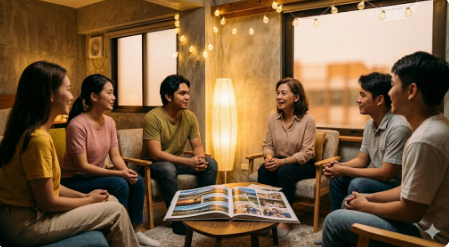 The solution to loneliness is not always more people. Often, it is more meaningful connection. That can start with simple habits like checking in honestly, scheduling time with friends, joining community groups, or creating regular offline routines.
Families can help by making emotional conversations more normal. Workplaces can help by encouraging humane schedules and supportive team culture. Schools can help by making mental health support easier to access and less intimidating. Communities can help by creating safe spaces where people feel welcome, not judged.
If loneliness starts affecting daily functioning, reaching out to a counselor, therapist, or mental health professional can be an important next step. Asking for help is not a sign of weakness. It is a sign that someone wants to heal.
One reason this topic matters is that language shapes response. If loneliness is treated as a personal failure, people hide it. If it is treated as a real human need for connection, people are more likely to speak up and seek support.
A healthier conversation would say: loneliness is common, it is valid, and it can be addressed. That message matters for a generation of Filipinos who are highly connected digitally but still emotionally exhausted.
The goal is not to make loneliness seem permanent. The goal is to help people recognize it early, talk about it openly, and reconnect in ways that feel safe and real.
The loneliness epidemic in the Philippines is a mental health issue that deserves more attention. It affects people across ages and lifestyles, often in ways that are hidden behind smiles, busy schedules, and online activity.
By talking about loneliness more openly, we make it easier for Filipinos to seek support, support others, and build stronger communities. Connection may not solve everything, but it is often the first step toward healing.

Copyright © 2026 by 800zed. All Rights Reserved.
We use cookies to give you the best service on our site. By continuing to use the site you consent to our Privacy Policy
📲 Install 800 ZED App for quick access!
📲 Install 800 ZED App on your iPhone
Tap Share → Add to Home Screen
📲 Install 800 ZED on Firefox
Open menu ☰ → Install
Subscribe our newsletter for latest updates
Get the latest updates, promotions, and news delivered straight to your inbox.