
Loading...
Published on April 28, 2026 By 800ZED

You sat through the blood extraction. You waited days for the results. And now you are holding a piece of paper or staring at a PDF on your phone filled with abbreviations you have never seen before, numbers that mean nothing to you, and small arrows pointing up or down next to values you cannot pronounce.
Your doctor gave you two minutes to ask questions. You nodded. You left. And now you are Googling everything at 11PM wondering if you are dying.
Sound familiar?
You are not alone. Blood test results are one of the most commonly misunderstood parts of healthcare — not because patients are not smart enough to understand them, but because nobody ever actually explains them in plain language.
This guide changes that.
Here is a complete, no-jargon breakdown of the most common blood tests ordered in the Philippines.
What each one measures, what the numbers mean, what high or low results could indicate, and when to be genuinely concerned versus when to breathe and wait.
Save this. Screenshot it. Share it with your family. Because understanding your own health results is not just empowering... it can literally save your life.
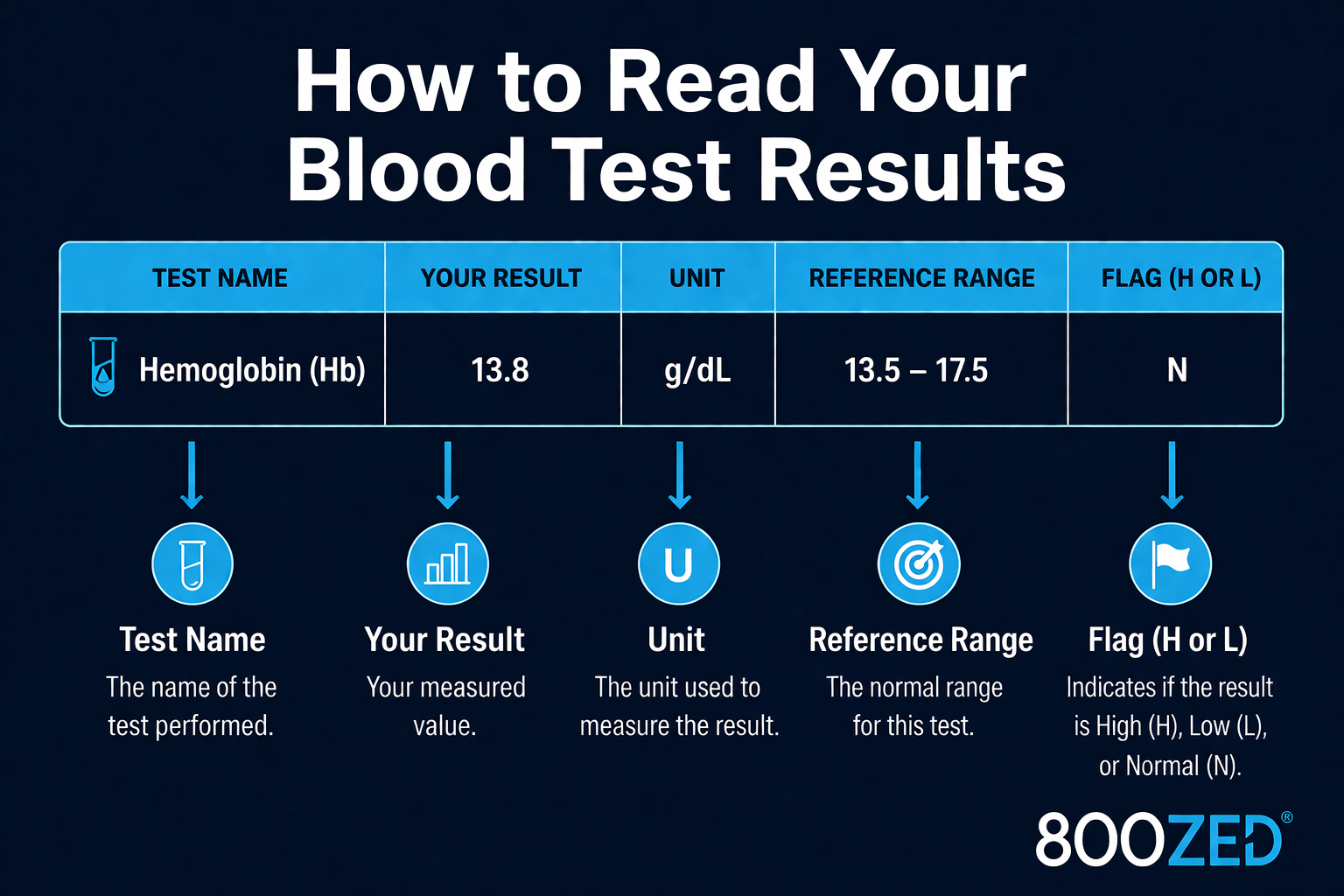
Every blood test result follows the same basic format, whether it comes from a government hospital, a private lab, or a clinic. Here is what each column means:
Test name: What was measured in your blood. Often shown as an abbreviation (like WBC, HGB, FBS, ALT).
Your result: The number measured in your specific blood sample.
Unit: How the result is measured (mg/dL, g/dL, IU/L, etc.). This tells you what kind of measurement it is.
Reference range (or normal range): The range of values considered normal for most healthy adults. Your result is compared to this range.
Flag (H or L, or an arrow): If your result is outside the normal range, it will be flagged. H or an upward arrow means high. L or a downward arrow means low. Some labs highlight these in red.
One important thing to understand before you panic: being slightly outside the reference range does not automatically mean something is seriously wrong. Reference ranges are based on statistical averages from large populations. Your doctor considers your result in the context of your symptoms, your history, and your other results.... not just as a single number in isolation.
That said, knowing what each number means puts you in a much better position to have an informed conversation with your doctor, ask the right questions, and notice if something needs more urgent attention.
The CBC is almost always the first blood test ordered. It gives a broad picture of the three main types of cells in your blood: red blood cells, white blood cells, and platelets. And tells your doctor a lot about your overall health, immune function, and whether you might be anemic or fighting an infection.
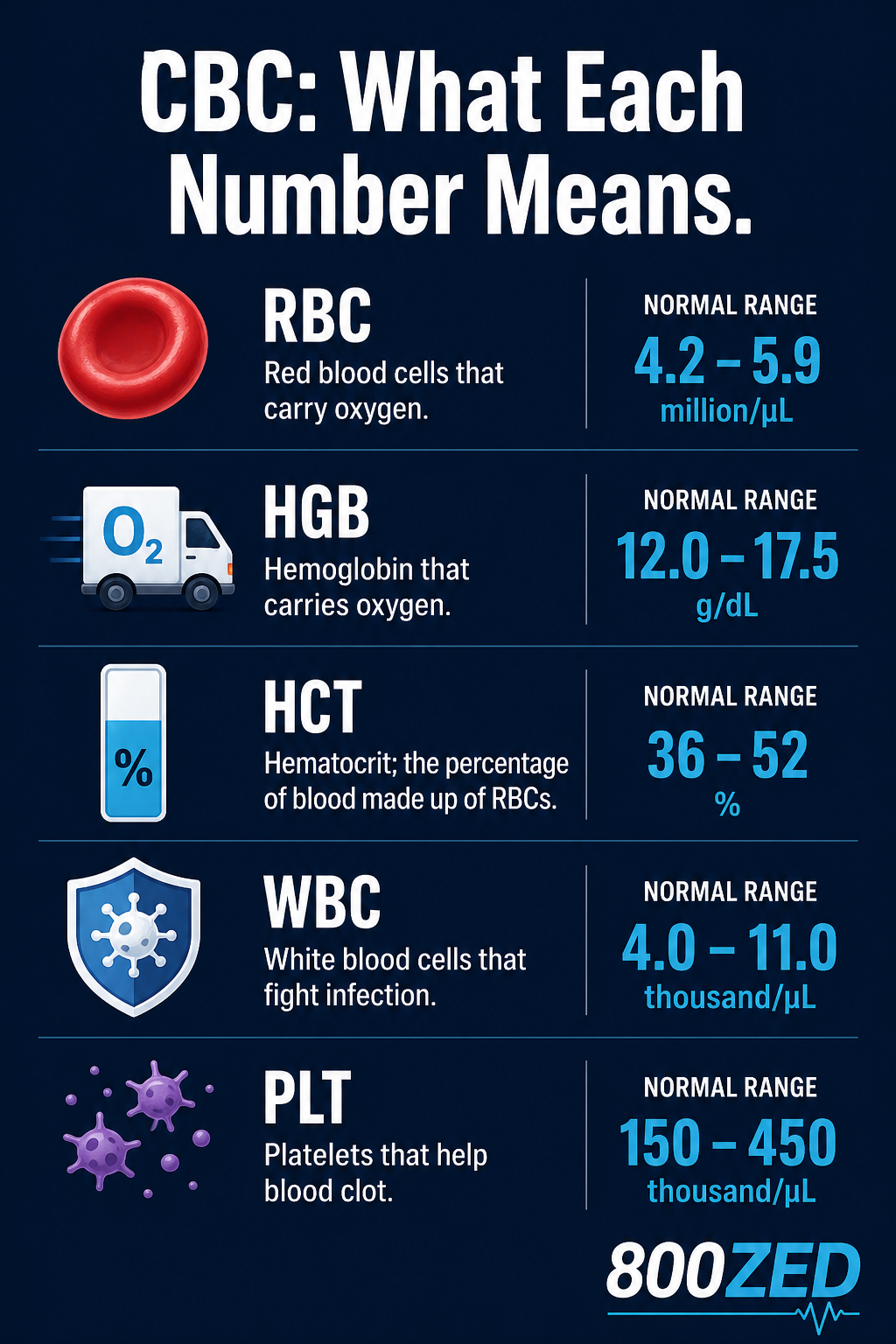 Red Blood Cell Count (RBC)
What it measures: The number of red blood cells in your blood. Red blood cells carry oxygen from your lungs to the rest of your body.
Normal range:
Male: 4.35 to 5.65 million cells per mm3
Female: 3.92 to 5.13 million cells per mm3
High RBC: Can be caused by dehydration, smoking, or living at high altitude.
Low RBC: Suggests anemia, which can be caused by iron deficiency, vitamin B12 deficiency, blood loss, or chronic illness.
Hemoglobin (HGB or Hgb)
What it measures: The protein inside red blood cells that actually carries oxygen. Think of hemoglobin as the oxygen delivery truck.
Normal range:
Male: 13.0 to 16.0 g/dL
Female: 11.5 to 15.5 g/dL
High hemoglobin: Can indicate dehydration, smoking, or lung disease.
Low hemoglobin: The classic sign of anemia. You may feel tired, pale, short of breath, or dizzy. In the Philippines, iron-deficiency anemia is one of the most common nutritional deficiencies, particularly among women and children.
Hematocrit (Hct)
What it measures: The percentage of your blood volume that is made up of red blood cells.
Normal range:
Male: 40 to 55%
Female: 36 to 44%
This value moves in the same direction as hemoglobin and RBC, all three are evaluated together to confirm or rule out anemia.
White Blood Cell Count (WBC)
What it measures: The total number of white blood cells your immune system's soldiers. They fight infection, inflammation, and foreign substances.
Normal range: 4,500 to 11,000 cells per mm3
High WBC (leukocytosis): Most commonly means your body is fighting an active infection, whether bacterial, viral, or fungal. Can also be elevated in inflammatory conditions, stress, or certain medications.
Low WBC (leukopenia): May indicate a viral infection, bone marrow problem, autoimmune condition, or side effect of certain medications including chemotherapy.
Your CBC may also break down WBC into specific types including neutrophils, lymphocytes, monocytes, and eosinophils. Each type tells a different story about what kind of immune response is happening.
Platelet Count (PLT)
What it measures: Tiny cell fragments that help your blood clot when you are bleeding.
Normal range: 150,000 to 400,000 per mcL
High platelets: Can occur after infection, surgery, or in inflammatory conditions.
Low platelets (thrombocytopenia): Makes it harder for blood to clot. This is one of the markers doctors watch closely in dengue fever — a critical concern for Filipinos — as platelet counts can drop rapidly and dangerously during infection.
Fasting Blood Sugar (FBS)
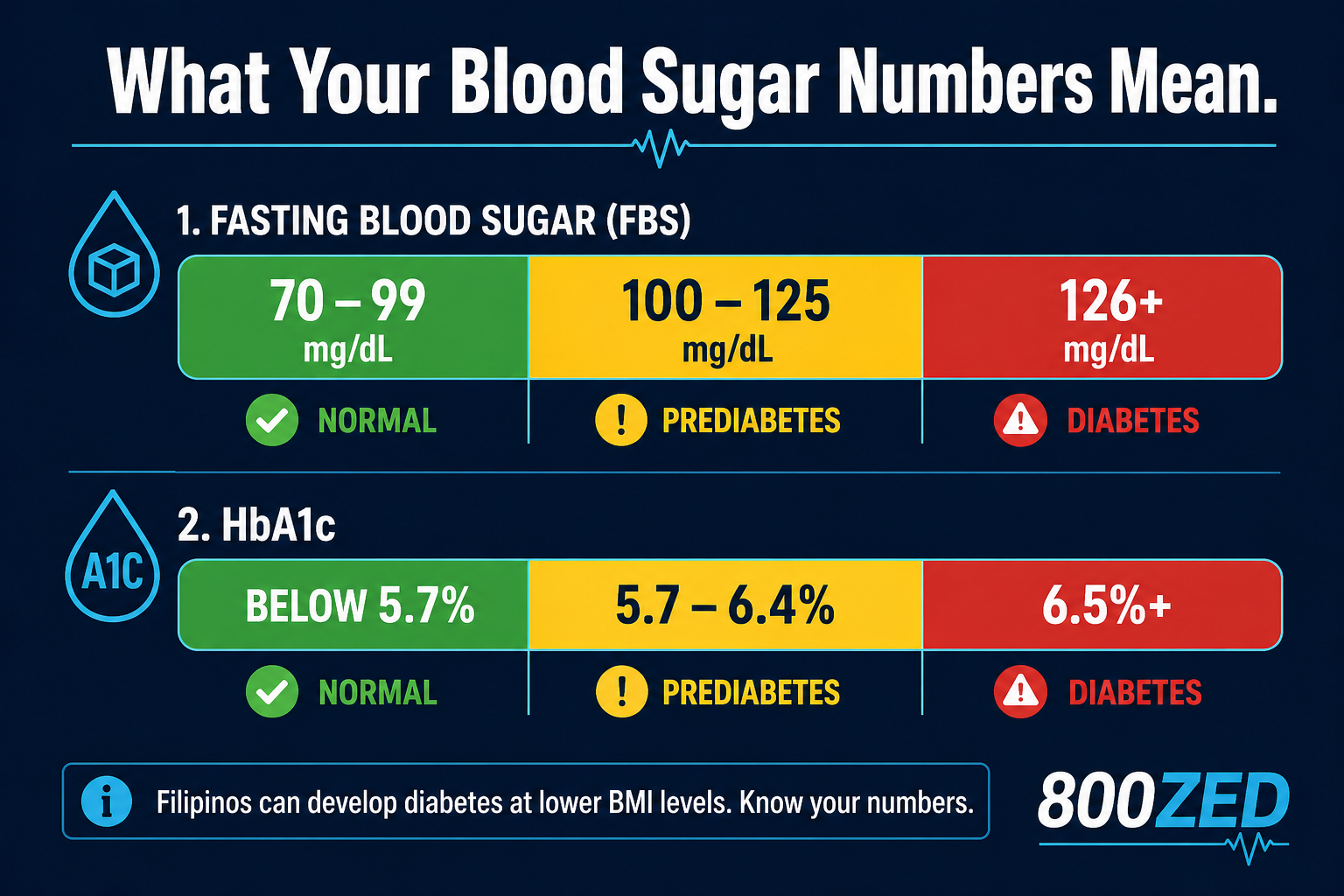
What it measures: Your blood glucose level after not eating for at least 8 hours. This is the standard screening test for diabetes and prediabetes.
Normal range: 70 to 99 mg/dL
Prediabetes: 100 to 125 mg/dL
Diabetes: 126 mg/dL or higher on two separate tests
What it means for Filipinos: Research consistently shows that Filipinos develop type 2 diabetes at lower body weights and lower BMI levels than Western populations -- meaning a Filipino with a "normal-looking" body weight can still have elevated blood sugar. If your FBS is creeping toward the upper end of normal or into the prediabetes range, take it seriously.
HbA1c (Glycated Hemoglobin)
What it measures: Your average blood sugar level over the past 2 to 3 months. Unlike FBS, which is a snapshot, HbA1c is more like a movie — it shows the full picture of how your blood sugar has been behaving.
Normal range: Below 5.7%
Prediabetes: 5.7% to 6.4%
Diabetes: 6.5% or higher
This test is particularly useful for monitoring how well diabetes is being managed and whether lifestyle changes are actually working.
The lipid panel measures the fats circulating in your blood. It is one of the most important tests for cardiovascular risk... and one of the most commonly misread by patients.
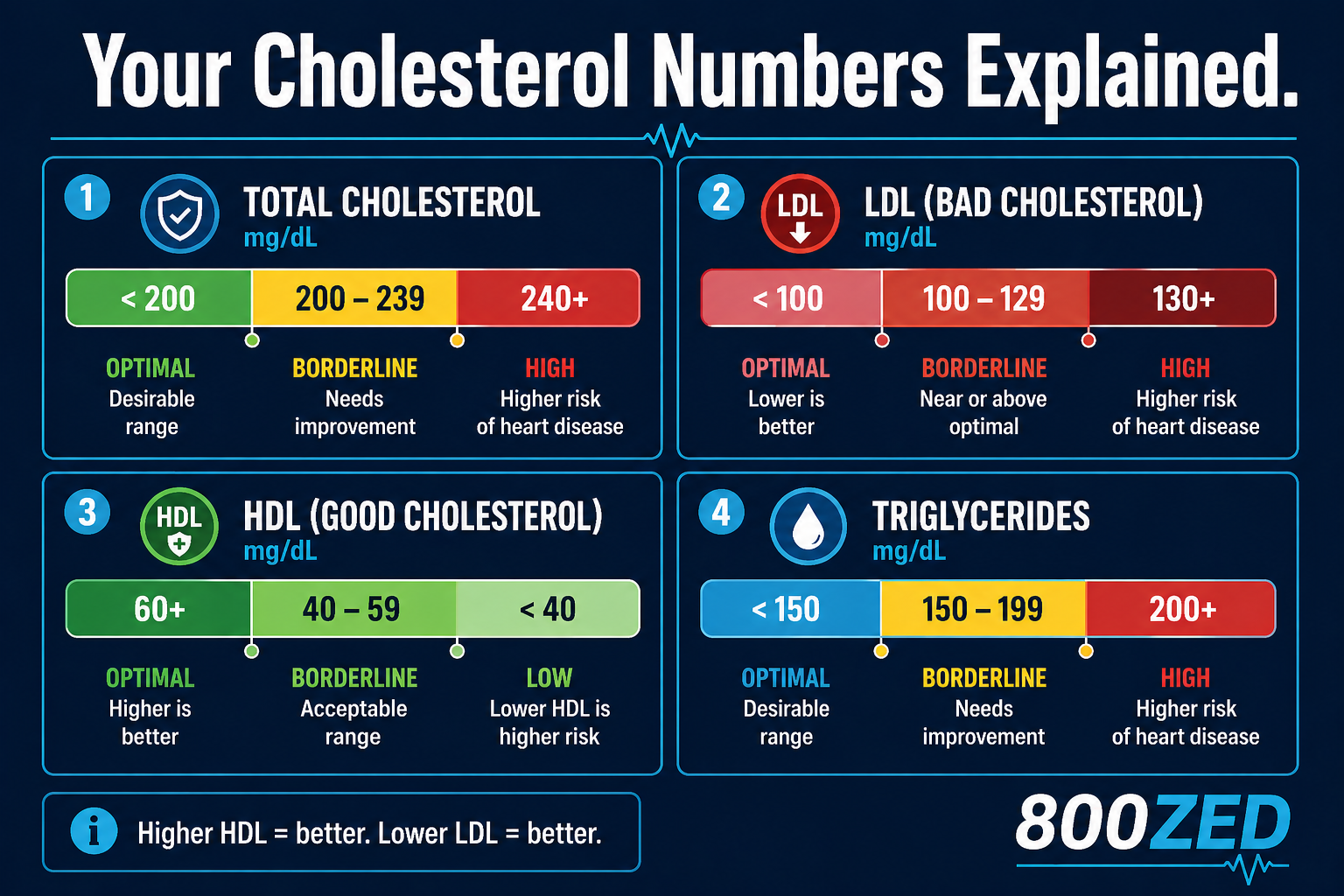
Total Cholesterol
Normal: Below 200 mg/dL
Borderline high: 200 to 239 mg/dL
High: 240 mg/dL and above
LDL Cholesterol (Low-Density Lipoprotein)
This is the one commonly called "bad cholesterol." LDL deposits cholesterol into artery walls, contributing to plaque buildup, which raises the risk of heart attack and stroke.
Optimal: Below 100 mg/dL
Near optimal: 100 to 129 mg/dL
Borderline high: 130 to 159 mg/dL
High: 160 mg/dL and above
HDL Cholesterol (High-Density Lipoprotein)
This is the "good cholesterol." HDL removes cholesterol from the arteries and carries it back to the liver to be processed.
Desirable: 60 mg/dL or higher
Low (risk factor): Below 40 mg/dL for men, below 50 mg/dL for women
Higher HDL is better. Think of it as your artery's cleaning crew.
Triglycerides
What it measures: Another type of fat in the blood. High triglycerides are often linked to a diet high in refined carbohydrates, sugar, and alcohol (dietary patterns common in the Philippines).
Normal: Below 150 mg/dL
Borderline high: 150 to 199 mg/dL
High: 200 to 499 mg/dL
Very high: 500 mg/dL and above
High triglycerides combined with low HDL and high LDL form a pattern called metabolic syndrome, which significantly raises the risk of heart disease and diabetes.
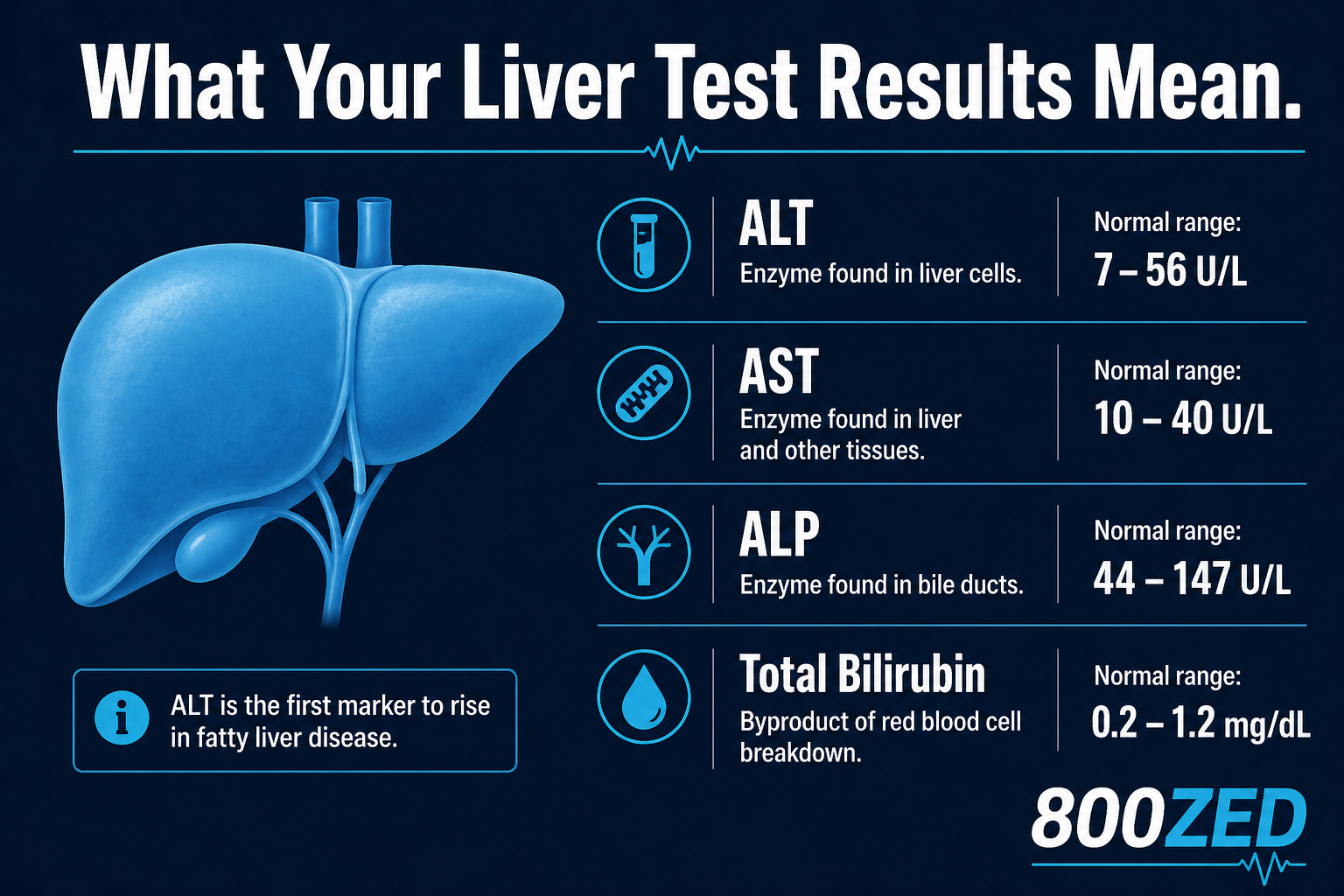
Your liver is one of the hardest-working organs in your body. These tests check how well it is doing its job.
ALT (Alanine Aminotransferase)
What it measures: An enzyme found mostly in liver cells. When liver cells are damaged, ALT leaks into the bloodstream and levels rise.
Normal range: 7 to 56 IU/L
High ALT: Can indicate liver inflammation or damage from hepatitis, fatty liver disease, alcohol use, or certain medications. This is one of the first markers to rise in non-alcoholic fatty liver disease, which is increasingly common in the Philippines.
AST (Aspartate Aminotransferase)
What it measures: Another liver enzyme, but also found in heart and muscle cells. Often evaluated alongside ALT.
Normal range: 10 to 40 IU/L
High AST alongside high ALT: Strongly suggests liver involvement.
High AST with normal ALT: May point to heart or muscle issues rather than liver.
Alkaline Phosphatase (ALP)
What it measures: An enzyme found in the liver, kidneys, and bones.
Normal range: 20 to 130 U/L
High ALP: Can suggest liver disease, bile duct blockage, or bone disorders.
Total Bilirubin
What it measures: A yellow pigment produced when red blood cells break down. The liver processes and excretes it.
Normal range: 0.1 to 1.2 mg/dL
High bilirubin: Can cause jaundice (yellowing of skin and eyes) and may indicate liver disease, bile duct obstruction, or hemolytic anemia.
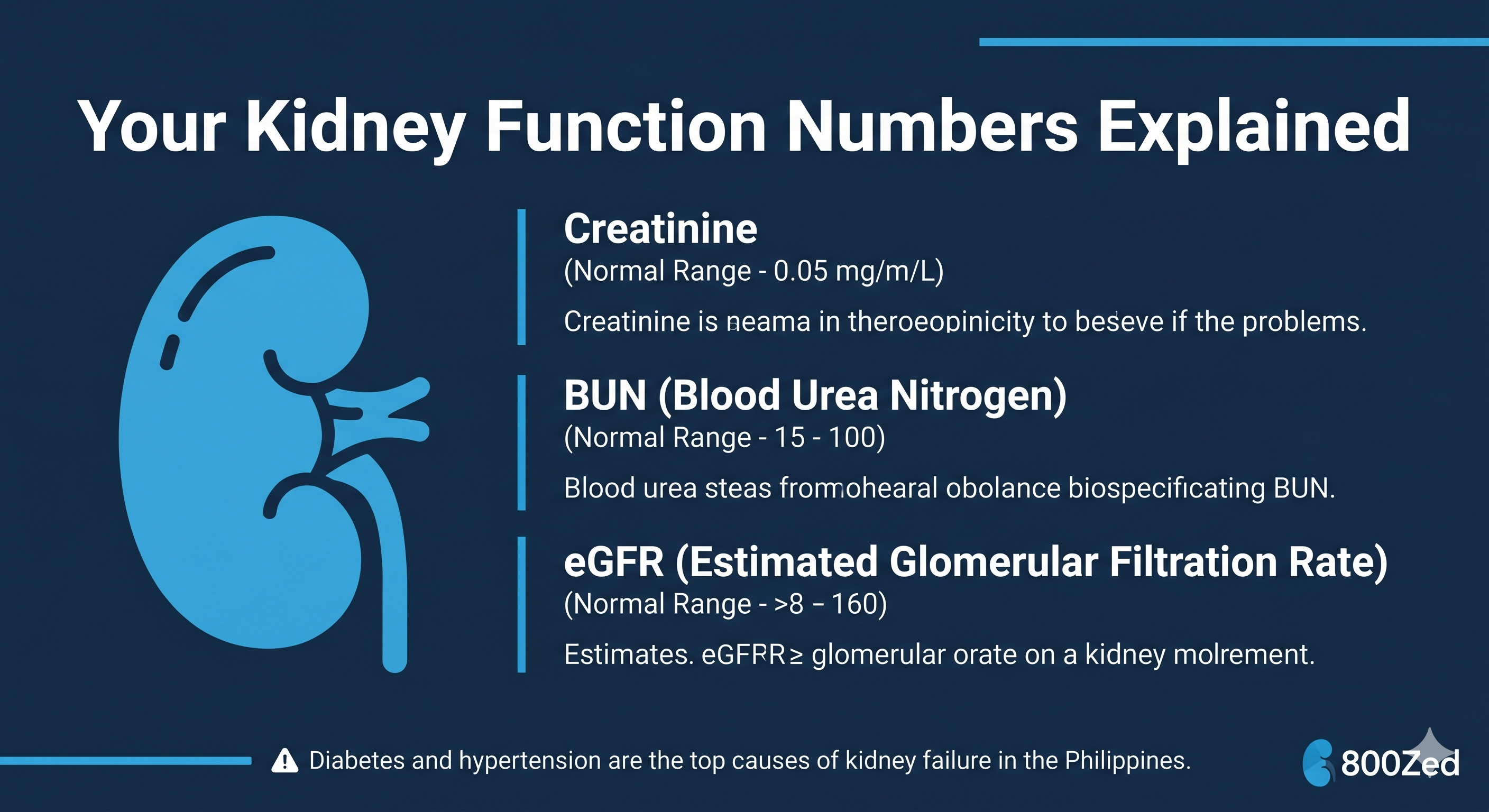
Creatinine
What it measures: A waste product produced by normal muscle activity. The kidneys filter creatinine out of the blood. When kidneys are not working well, creatinine builds up.
Normal range:
Male: 0.9 to 1.3 mg/dL
Female: 0.6 to 1.1 mg/dL
High creatinine: Suggests the kidneys are not filtering waste efficiently. Can be caused by kidney disease, dehydration, or high protein intake.
Low creatinine: Less common. Can indicate low muscle mass or malnutrition.
Blood Urea Nitrogen (BUN)
What it measures: Another waste product filtered by the kidneys, produced when the body breaks down protein.
Normal range: 8 to 23 mg/dL
High BUN: Can indicate kidney problems, dehydration, or very high protein intake.
Low BUN: May suggest liver problems or malnutrition.
Doctors often look at the BUN-to-creatinine ratio together to distinguish between kidney disease and dehydration.
eGFR (Estimated Glomerular Filtration Rate)
What it measures: An estimate of how well your kidneys are filtering waste per minute. Often calculated automatically from your creatinine result.
Normal: 60 mL/min/1.73m2 or higher
Stage 3 chronic kidney disease begins below 60
This is one of the most important kidney health markers and is especially relevant for Filipinos with diabetes or hypertension, as these are the two leading causes of kidney failure in the Philippines.
TSH (Thyroid Stimulating Hormone)
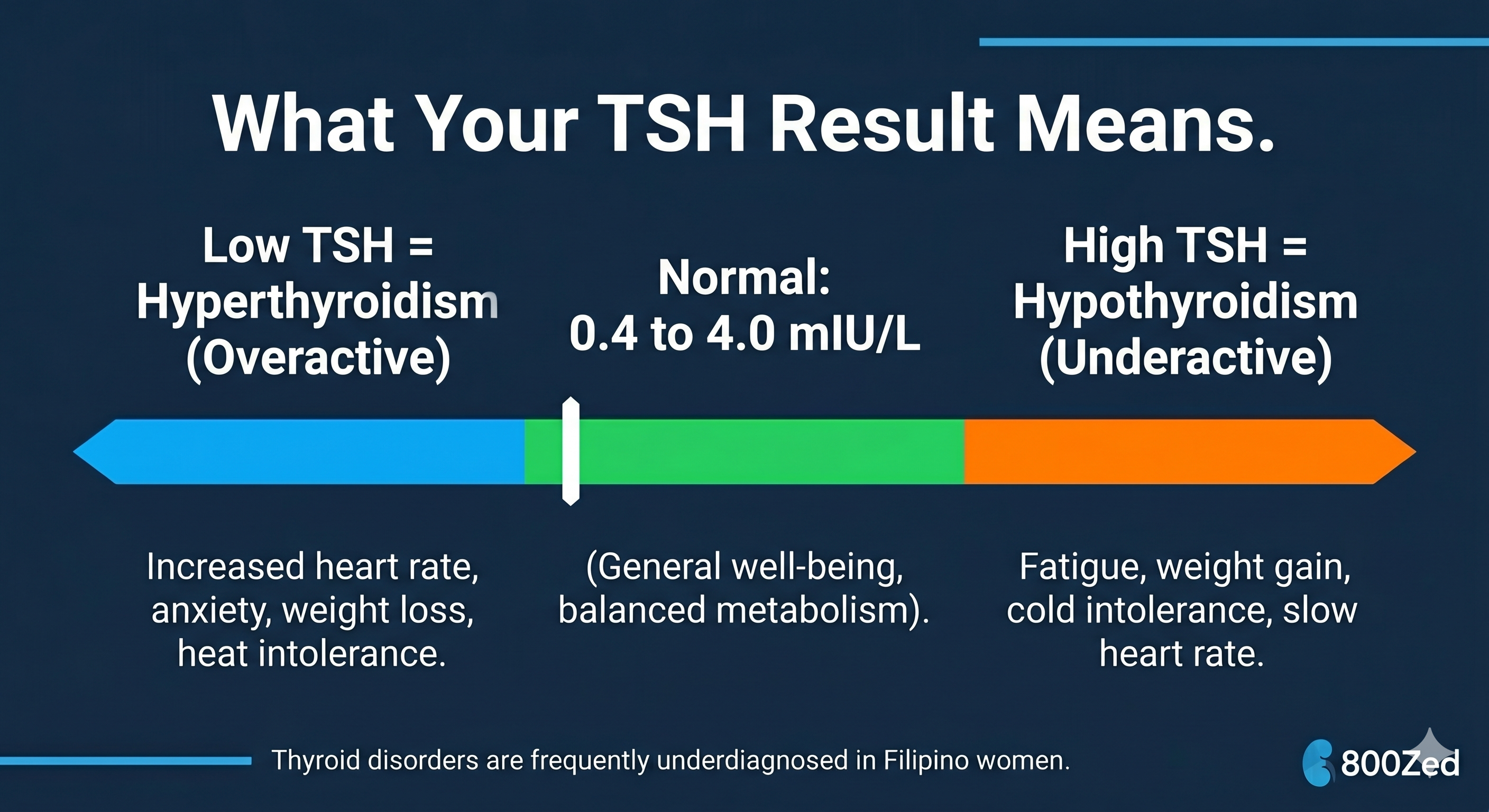
What it measures: The hormone that tells your thyroid gland how much hormone to produce. TSH is
produced by the pituitary gland - it goes up when the thyroid is underactive and down when it is overactive.
Normal range: 0.4 to 4.0 mIU/L
High TSH: Suggests hypothyroidism (underactive thyroid). Symptoms include fatigue, weight gain, feeling cold, hair loss, and depression — symptoms commonly dismissed in Filipino women as "just stress" or "aging."
Low TSH: Suggests hyperthyroidism (overactive thyroid). Symptoms include weight loss, rapid heartbeat, anxiety, and heat intolerance.
Thyroid disorders are significantly more common in women than men and are frequently underdiagnosed in the Philippines.
Uric Acid
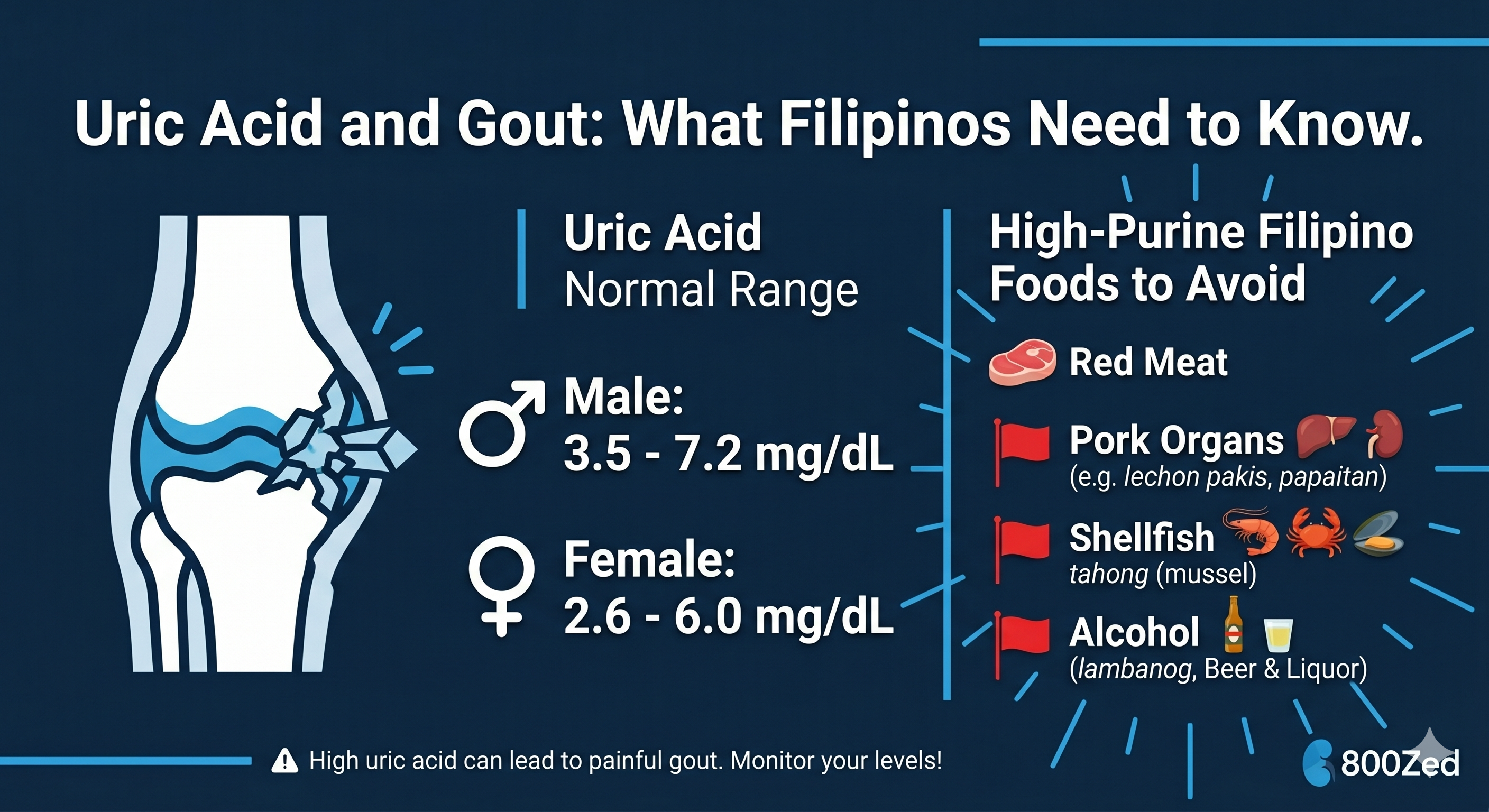
What it measures: A waste product produced when the body breaks down purines, found in red meat, organ meats, shellfish, and alcohol. The kidneys filter uric acid out. When too much is produced or the kidneys cannot keep up, it accumulates in the blood and can crystallize in joints.
Normal range:
Male: 3.5 to 7.2 mg/dL
Female: 2.6 to 6.0 mg/dL
High uric acid: Can lead to gout, a painful inflammatory condition affecting the joints — particularly the big toe, ankles, and knees. The Filipino diet, which is often high in red meat, organ meats (pork liver, kidney, intestines), and seafood, combined with alcohol consumption, creates a perfect storm for elevated uric acid. Gout is extremely common in the Philippines and often undertreated.
Most abnormal results need follow-up, not panic. But some combinations warrant immediate attention.
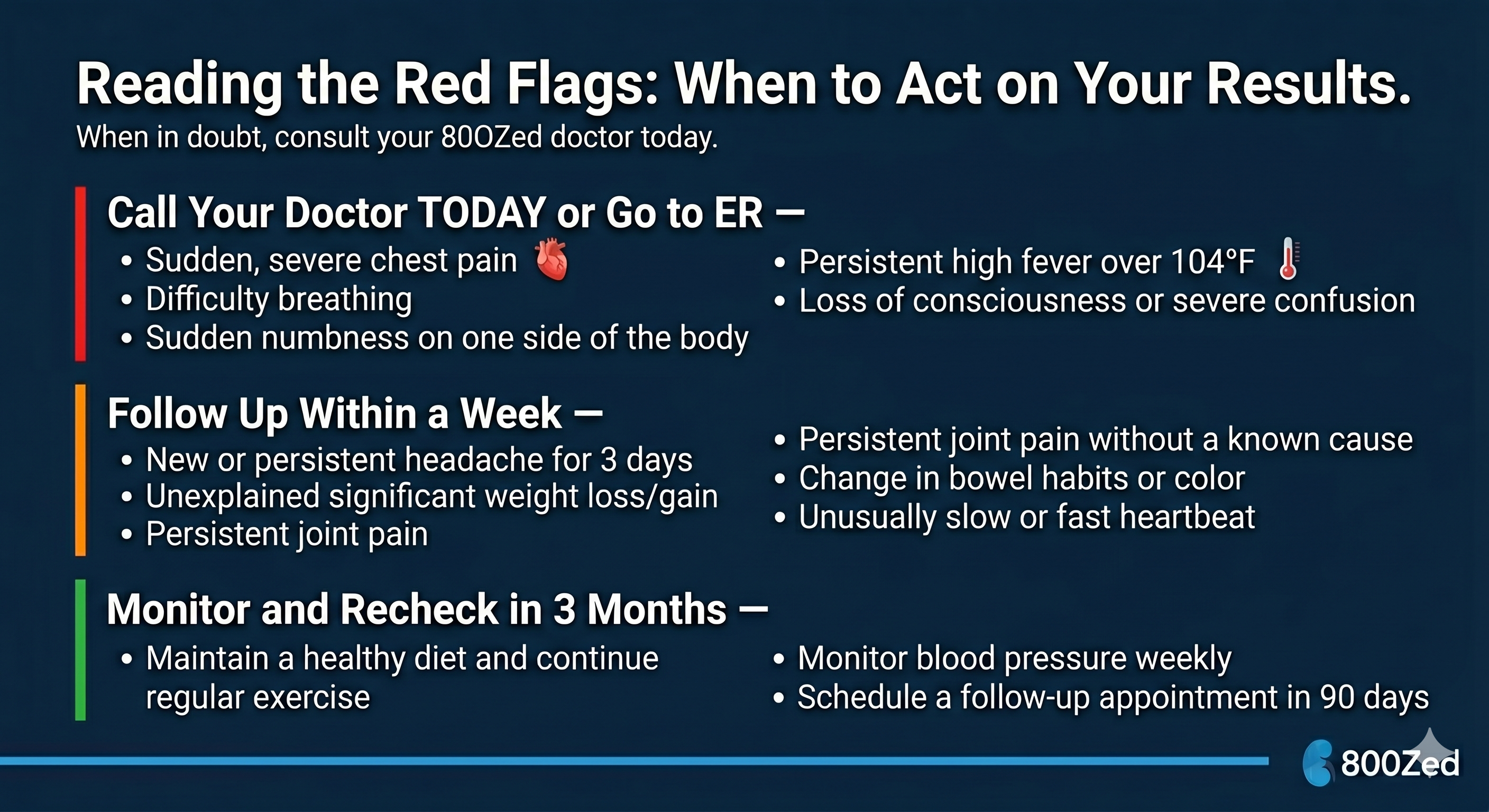
Call your doctor the same day or go to the ER if:
Follow up within a week if:
Monitor and recheck in 3 months if:

_______________
Stay connected with the 800ZED Blog! Get the latest health tips, wellness insights, and simple daily habits that can boost your well-being — from your sleep routine to your screen time. Subscribe now and take small steps toward a healthier, happier you.

Copyright © 2026 by 800zed. All Rights Reserved.
We use cookies to give you the best service on our site. By continuing to use the site you consent to our Privacy Policy
📲 Install 800 ZED App for quick access!
📲 Install 800 ZED App on your iPhone
Tap Share → Add to Home Screen
📲 Install 800 ZED on Firefox
Open menu ☰ → Install
Subscribe our newsletter for latest updates
Get the latest updates, promotions, and news delivered straight to your inbox.