
Loading...
Published on January 29, 2026 By 800ZED
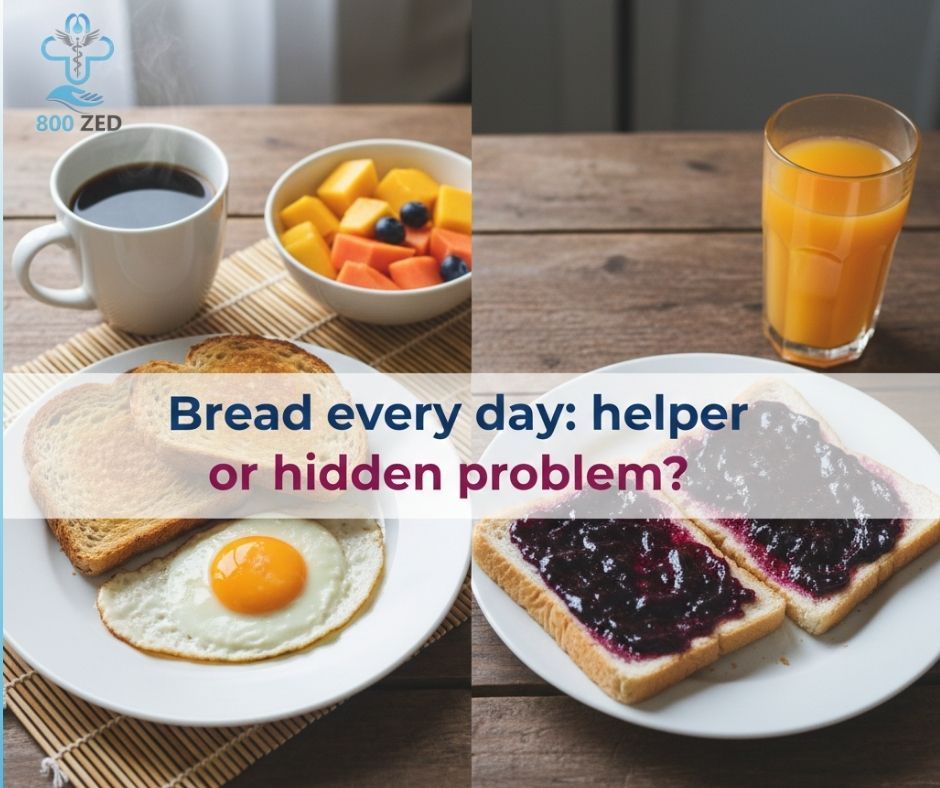
Toast in the morning, a sandwich in between Zoom calls, garlic bread with pasta at night -- bread is that quiet extra on your plate that slowly becomes the main character of your diet.
Some say bread is the enemy: “nakakataba,” “nakakabloat,” “carbs lang yan.” Others can’t imagine life without it. The truth? Bread can be either your everyday ally or a sneaky problem, depending on the type, portion, and what the rest of your plate looks like.
From ancient flatbreads cooked on hot stones to today’s sliced loaves, bread has been a human staple for thousands of years. At its simplest, it’s just flour, water, yeast, and salt -- plus whatever seeds or grains you add.
Nutritionally, bread is mainly complex carbohydrates, your body’s preferred fuel for the brain and muscles. Whole grain breads provide a steadier energy release and more fiber than refined white bread, which can spike blood sugar faster and leave you hungrier sooner.
When you choose whole wheat, whole grain, or multigrain instead of ultra‑refined white bread, you also get:
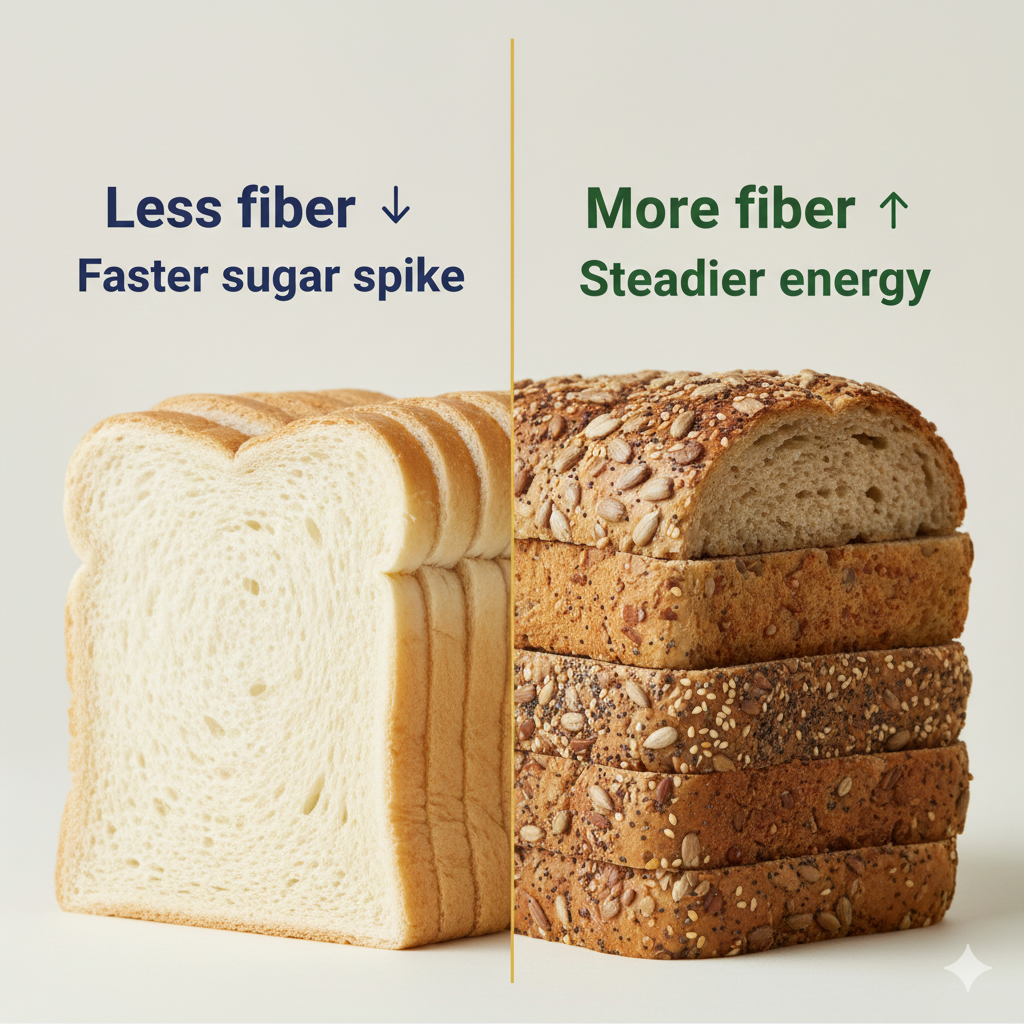
So yes, bread can absolutely be part of a healthy daily diet...if you choose wisely.
1. Steady, reliable energy
Whole grain and multigrain breads provide complex carbs and fiber that help stabilize energy between meals instead of giving you a quick “sugar high then crash.” Great for breakfast toast, baon sandwiches, or a merienda open‑face toast with eggs, tuna, or veggies.
2. A convenient source of fiber
Many people fall short of daily fiber needs. Choosing whole wheat, whole grain, or sprouted grain bread adds easy fiber to support bowel regularity, gut health, and cholesterol control.
3. Comfort, satisfaction, and less bingeing
Food is not just numbers. A warm pandesal, a slice of sourdough with soup, or toast with peanut butter can make meals more satisfying. When you feel satisfied, you’re less likely to overeat snacks later “para lang may lasa.”
1. Portion sizes sneak up on you
On average, bread contains about 240–260 kcal per 100g, 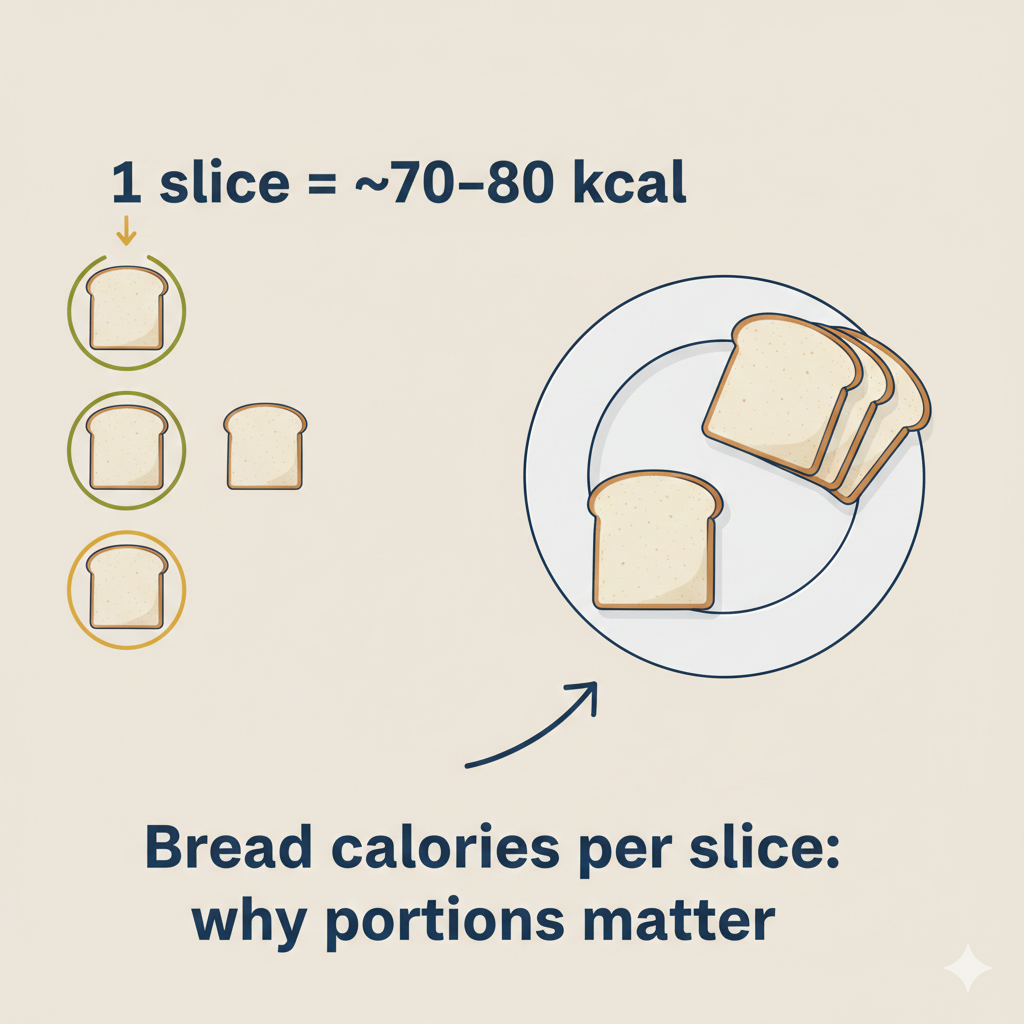 or around 70–80 kcal per slice...so 3–4 slices plus spreads can quickly add up.
Red flags to watch for:
For most adults, 1–2 slices per meal or 2–4 slices per day is a realistic range, especially if bread is your main starch for that meal.
2. White bread vs whole grain: choose your fighter
Here’s the simple truth:
Whenever you can, swap white bread for whole grain bread especially if you have diabetes, prediabetes, high cholesterol, or a family history of heart disease.
3. The real problem is often the toppings
Bread itself is rarely the main villain...what you put on it often is:
Healthier topping ideas:
Bread every day is usually fine if you:
If you notice frequent bloating, heartburn, sudden weight gain, or blood sugar issues, it may be time to:
Platforms like 800ZED can help you review your eating pattern (including bread, rice, and other carbs) and customize it to your weight, labs, and health goals.
Consider booking a consult if:

An 800ZED doctor or diet‑conscious GP can help you:
Bottom line: You don’t have to “break up” with bread. You just need to choose smarter loaves, watch the toppings, and listen to your body.
________________
Stay connected with the 800ZED Blog! Get the latest health tips, wellness insights, and simple daily habits that can boost your well-being — from your sleep routine to your screen time. Subscribe now and take small steps toward a healthier, happier you.

Copyright © 2026 by 800zed. All Rights Reserved.
We use cookies to give you the best service on our site. By continuing to use the site you consent to our Privacy Policy
📲 Install 800 ZED App for quick access!
📲 Install 800 ZED App on your iPhone
Tap Share → Add to Home Screen
📲 Install 800 ZED on Firefox
Open menu ☰ → Install
Subscribe our newsletter for latest updates
Get the latest updates, promotions, and news delivered straight to your inbox.