Loading...
Published on April 13, 2026 By 800ZED
Most people think a heart attack comes with warning signs. Chest pain. Shortness of breath. Some dramatic moment that gives you time to react.
But here is the truth: most heart attacks happen because of plaques that are less than 50% blocked. No symptoms. No red flags. Just a normal day, and then everything changes.
The good news? There is a simple test you can do at home to check your artery health right now. It costs nothing. It takes about 10 minutes. And it could genuinely save your life.
 Atherosclerosis, the buildup of fatty plaques inside your arteries, does not wait until you are old. A study of young adults under 35 who died in accidents found that nearly 80% already had plaque in their heart arteries. Twenty percent already had blockages over 50%.
It starts early. It moves silently. And it does not care how healthy you think you are.
A cardiologist once treated a marathon runner, 57 years old, stress tests always normal. When they did a CT angiogram, his arteries looked like those of a 73-year-old. Several plaques were nearly 60% blocked. He had no idea.
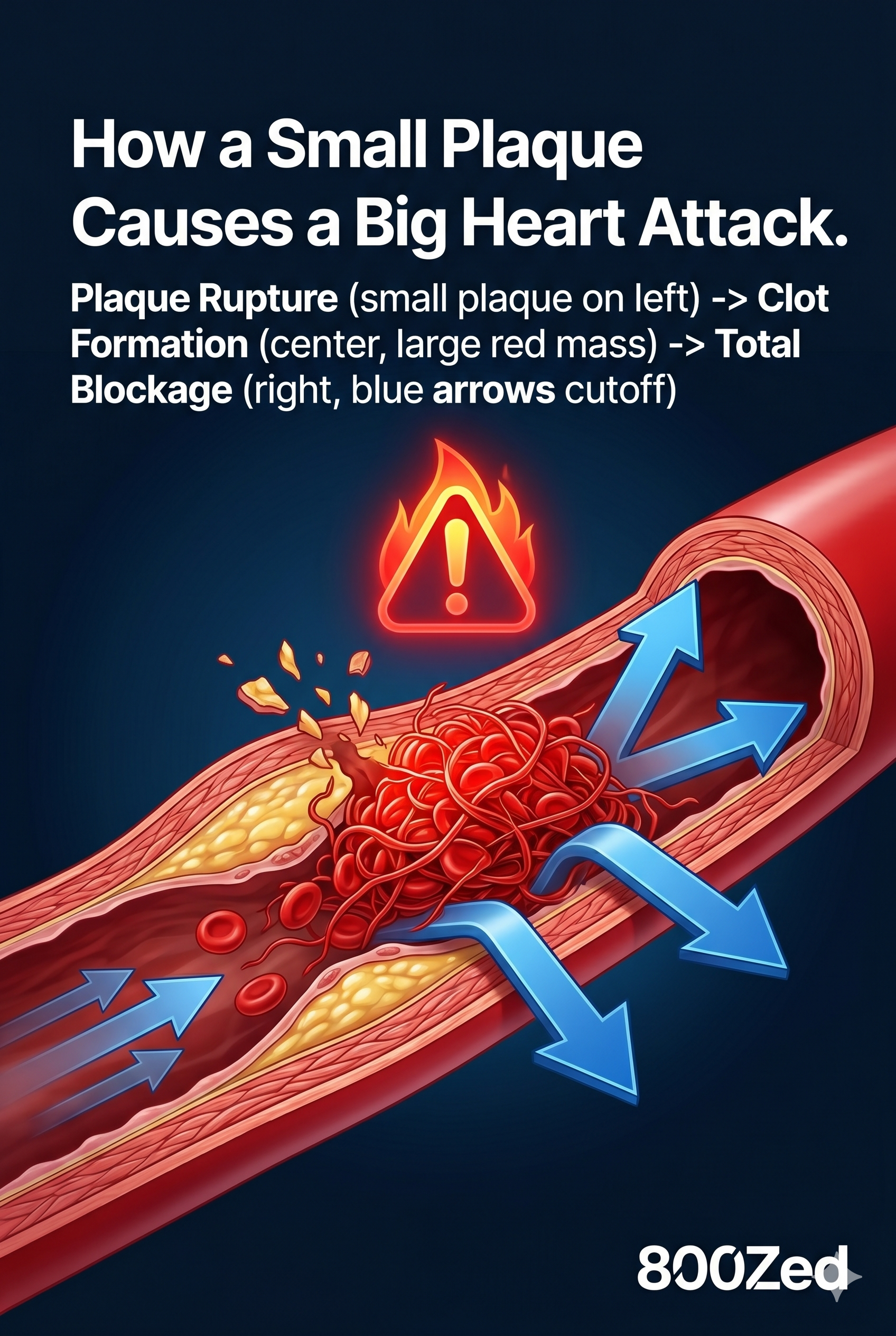
The bigger shock? It was not the biggest plaques causing the danger. Smaller plaques with thin walls can rupture suddenly, triggering a blood clot that blocks the artery completely. Heart attack. Stroke. Often with zero warning.
That is the part most people do not know, and it is exactly why early detection matters.
The Ankle-Brachial Index is a trusted method used since the 1950s to detect artery blockages and hardening. You can do a basic version at home with just a blood pressure monitor.
Note: Skip this test if you have had a deep vein thrombosis (DVT) before.
What you need: A standard blood pressure cuff
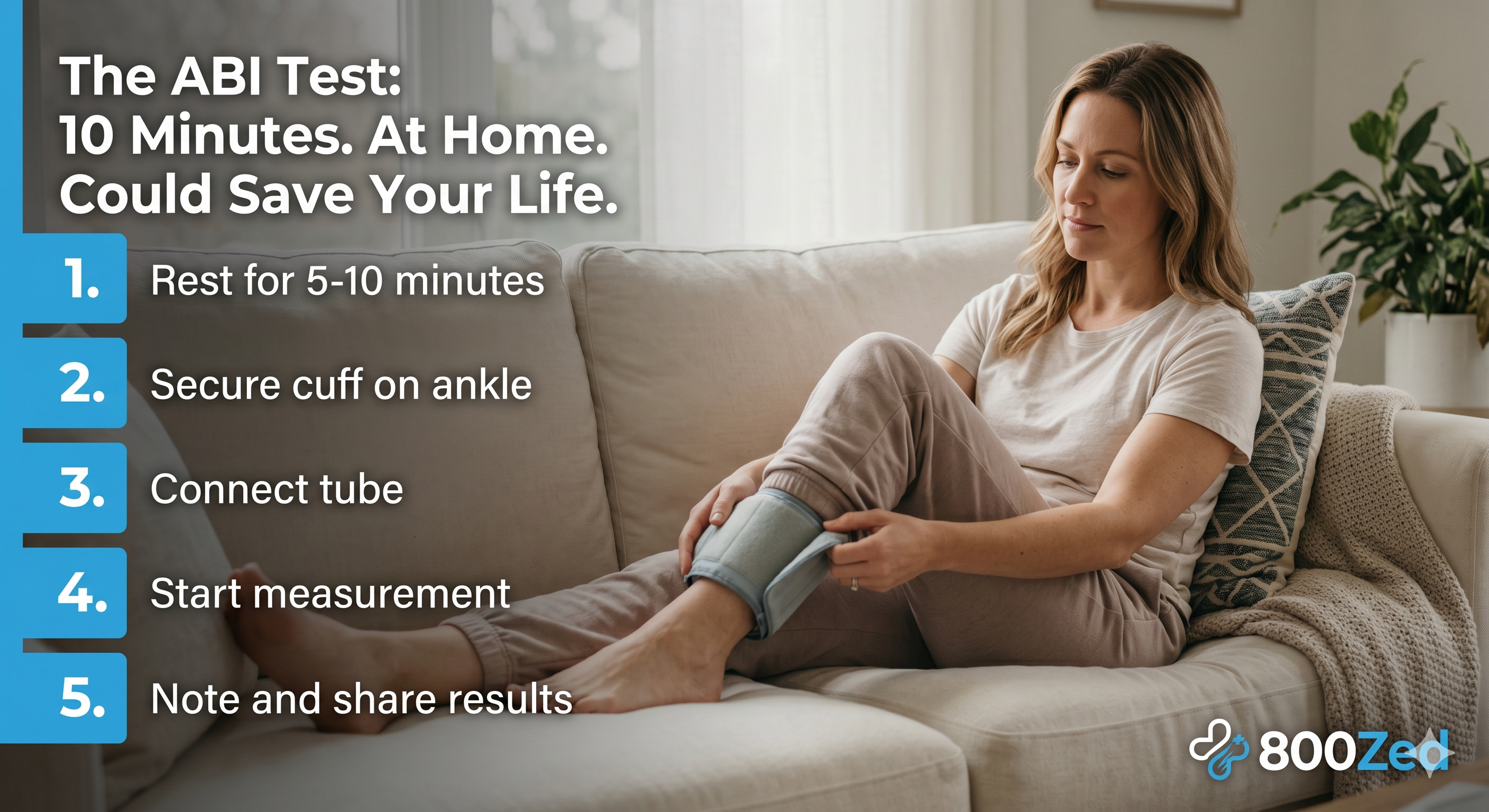
Steps:
Calculate your ABI:
Divide the highest ankle pressure by the highest arm pressure. Do this for each leg.
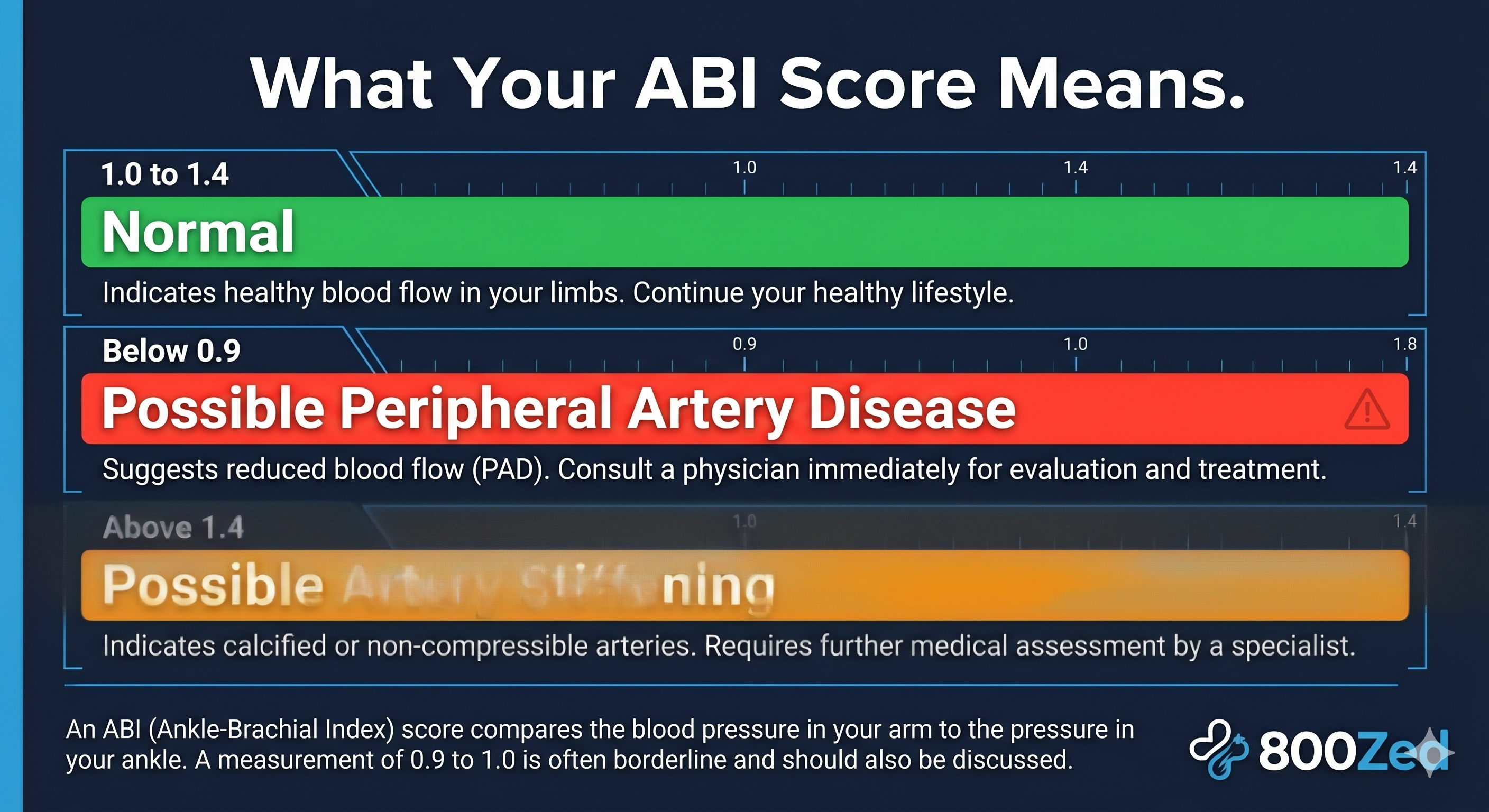
What your results mean:
If your number falls outside the 0.9 to 1.4 range, see a doctor for a more detailed evaluation. The great thing about this test is you can repeat it over time to track whether lifestyle changes are actually working.
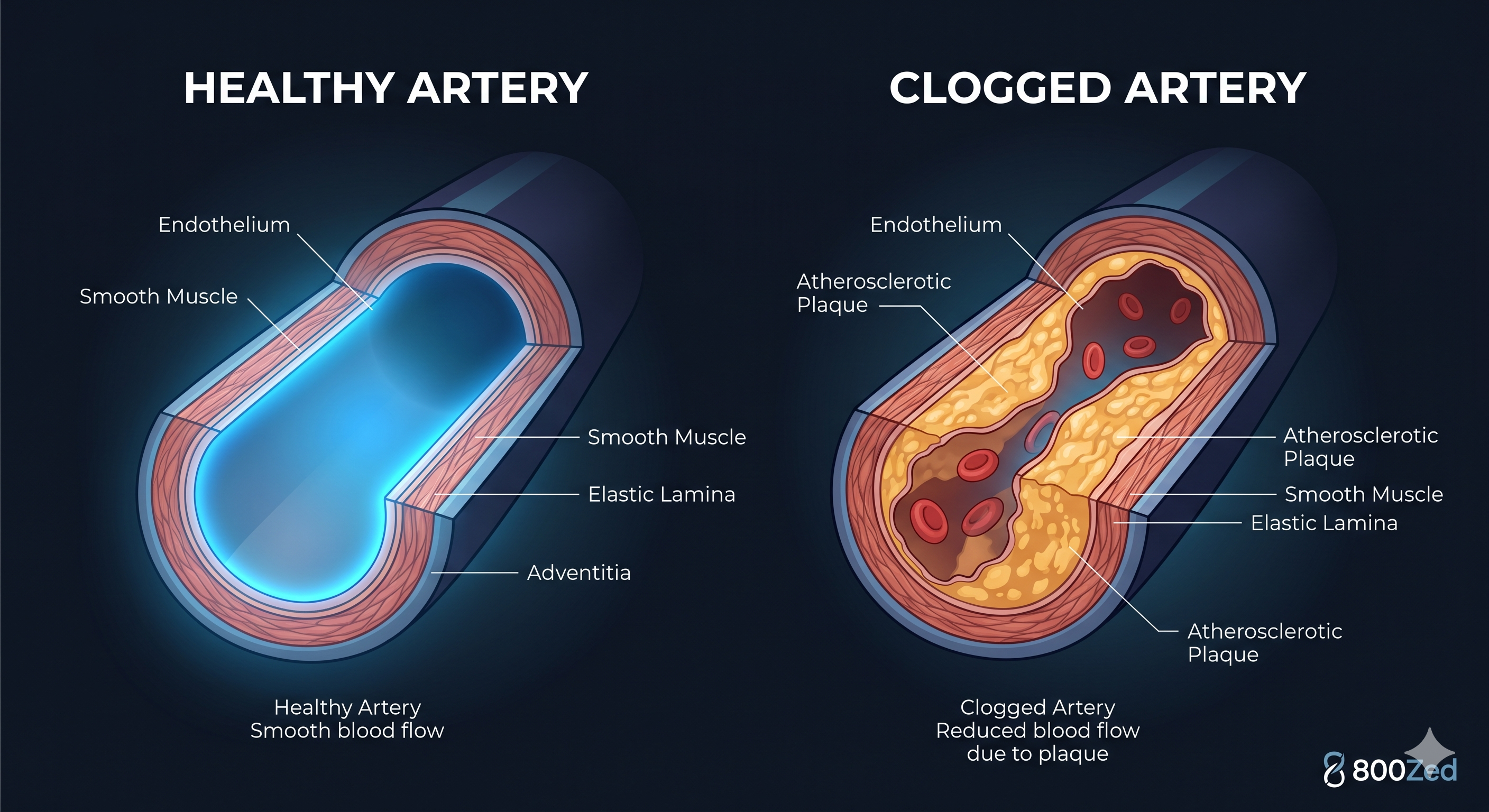
It is not just diet and exercise. The risk factors for atherosclerosis are broader than most people realize:
One of the most overlooked risks on this list is high blood pressure. It quietly damages artery walls over years before any obvious symptoms appear. If you are not sure whether your numbers are in a safe range, read our guide on the 5 warning signs you might have high blood pressure and how to bring it down naturally.
The marathon runner mentioned earlier had almost all of these, except diabetes. He had quit smoking 15 years prior. His brother, also an athlete, had died of a heart attack at 50. That family history changed everything about how his doctor approached his care.
The lesson: a healthy lifestyle is important, but it does not make you immune. Knowing your numbers, all of them, matters.
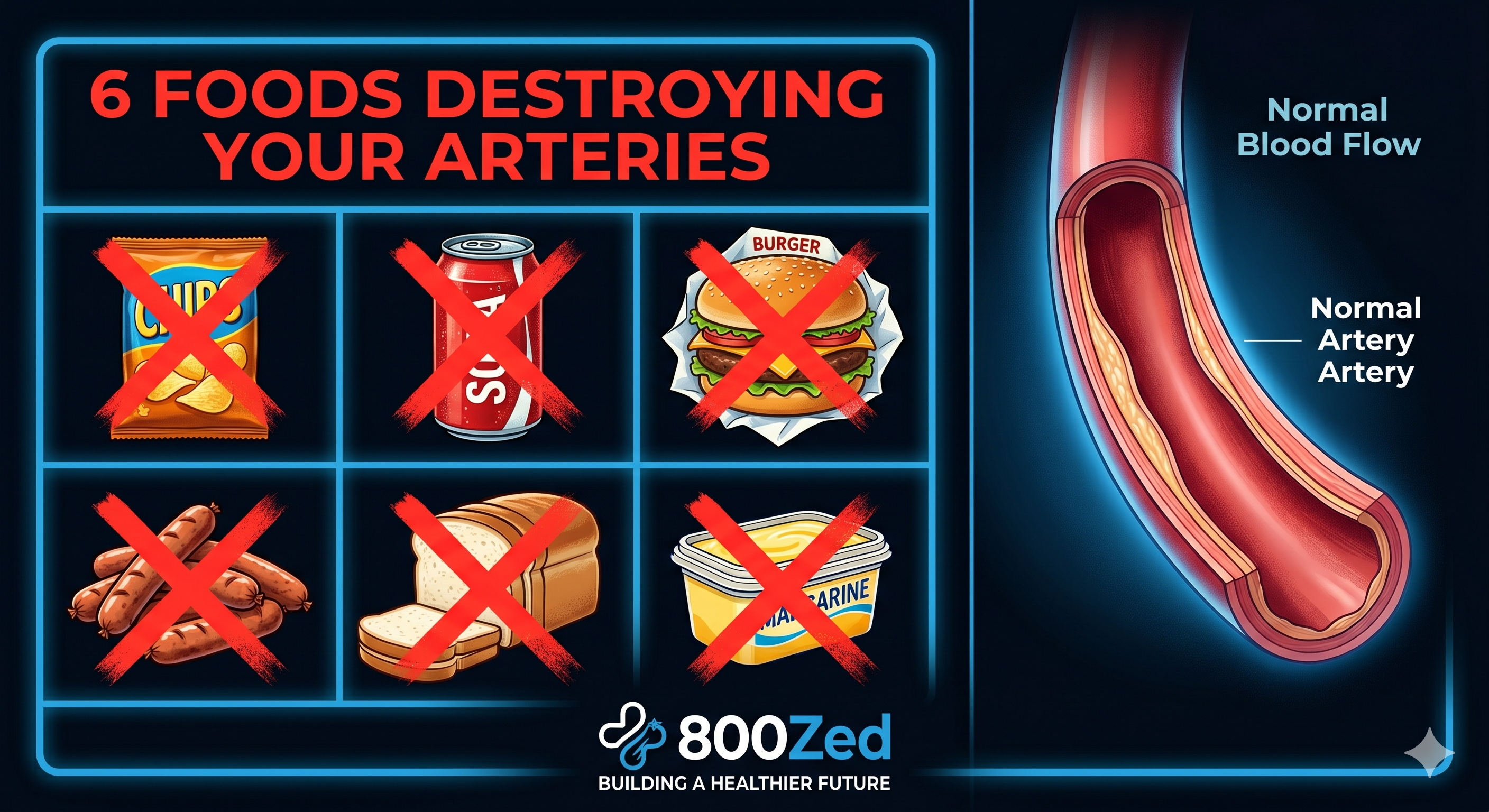
Some foods accelerate plaque buildup and drive inflammation. Here is what to limit:
You do not have to be perfect. Start by slowly swapping these out rather than cutting everything at once.
One thing worth knowing: chronic inflammation does not just affect your arteries. It affects your entire body from the inside out, including your gut. If you want to understand the deeper connection between gut health and inflammation, this article is worth reading: Your Gut is Controlling Your Mood and Most Filipinos Have No Idea
Researchers are now testing nanoparticles that can reactivate your body's natural artery-cleaning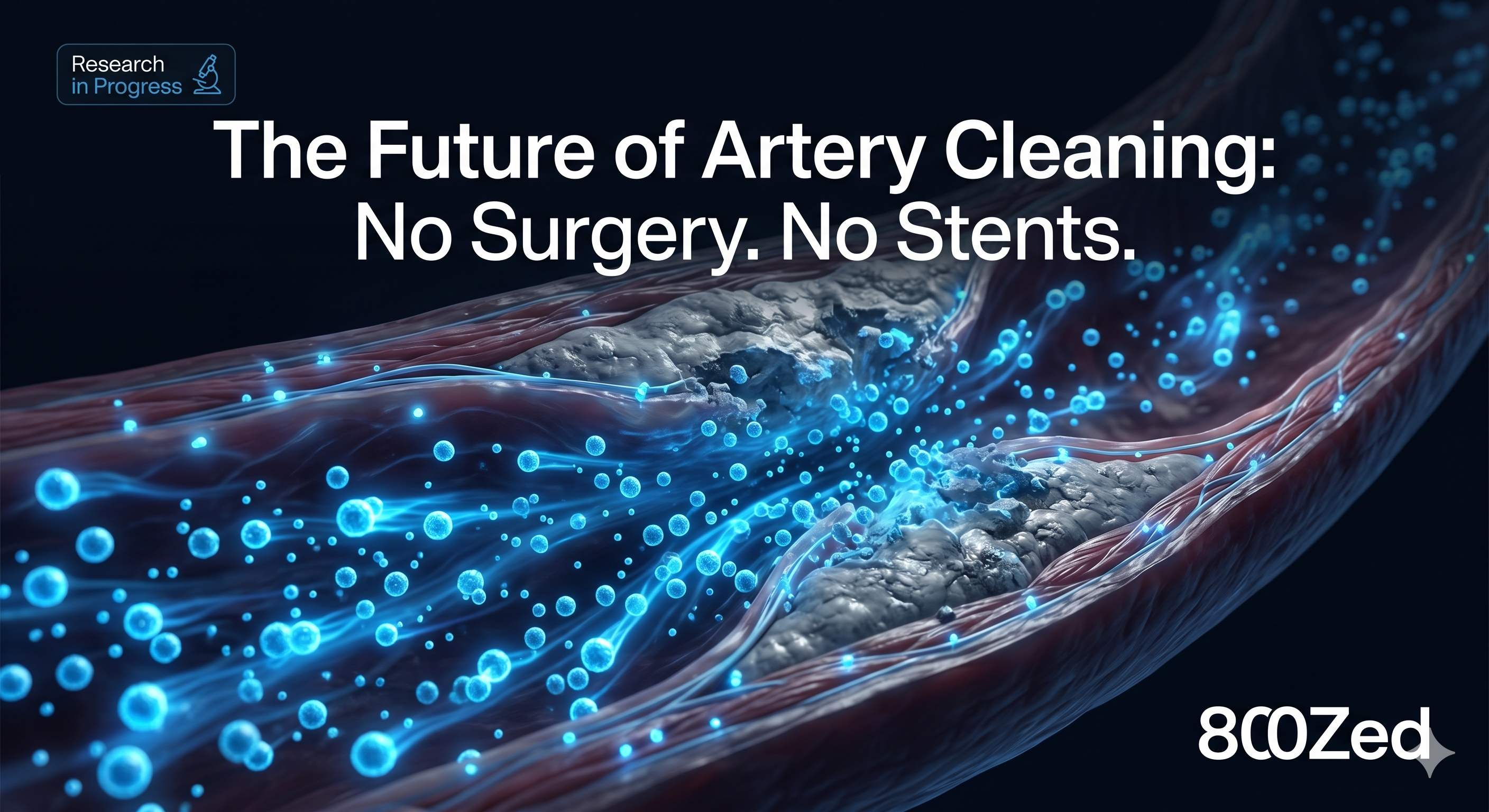 process called efferocytosis. In animal studies, these tiny particles reduced even the most dangerous plaques without damaging healthy cells. Human trials are being prepared.
It sounds like science fiction. But based on results so far, it may one day mean cleaning your arteries without surgery, without stents, without lifelong medication.
We are not there yet. But it is coming. And in the meantime, the choices you make today, what you eat, how you move, knowing your numbers, are the most powerful tools you have.
Take the test. Know where you stand. Start there.
Source: Based on the teachings of cardiologist Dr. Andre Wambier
This article is for informational purposes only. Consult your doctor before making any changes to your health routine.
_______________
Stay connected with the 800ZED Blog! Get the latest health tips, wellness insights, and simple daily habits that can boost your well-being — from your sleep routine to your screen time. Subscribe now and take small steps toward a healthier, happier you.
Copyright © 2026 by 800zed. All Rights Reserved.
We use cookies to give you the best service on our site. By continuing to use the site you consent to our Privacy Policy
📲 Install 800 ZED App for quick access!
📲 Install 800 ZED App on your iPhone
Tap Share → Add to Home Screen
📲 Install 800 ZED on Firefox
Open menu ☰ → Install
Subscribe our newsletter for latest updates
Get the latest updates, promotions, and news delivered straight to your inbox.